 When you can’t have something, you want it more. This fact of human nature can be exploited to save you money.
Personal Example:
Despite having built up a nice amount of cash from several businesses in my early college years, I would subconsciously deprive myself of money, making me “virtually broke” so I didn’t spend too much money.
I did this by just pretending I didn’t have any money in the bank. Unfortunately this method worked a little too well. I would only spend about $60 a month on entertainment, not a lot for a socially active college student.
My Remedy: The spending account.
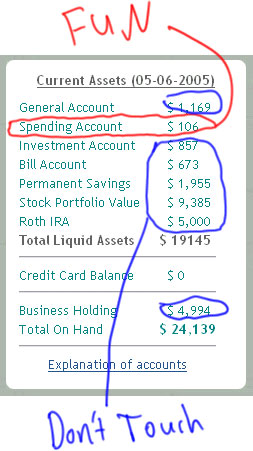
I created another free account with BankOfAmerica and labeled it my Spending Account. This is the money I designate for spending on anything I want. This money is MEANT to be spent and not saved. It kept me from spending too much money, but also kept me from living like a total cheapass.
If I don’t have enough in the spending account, I don’t buy it.
Thanks to this method, I have a healthy amount of money to spend, and I don’t take it overboard.
-Nev
After this Financial Times article, I am now mentioned in 4 out of the 5 news sources needed to meet one of my medium term goals.
 A lot of buzz is going on about China and their emerging economy. If it’s all over the press, it’s old news.
 During my first
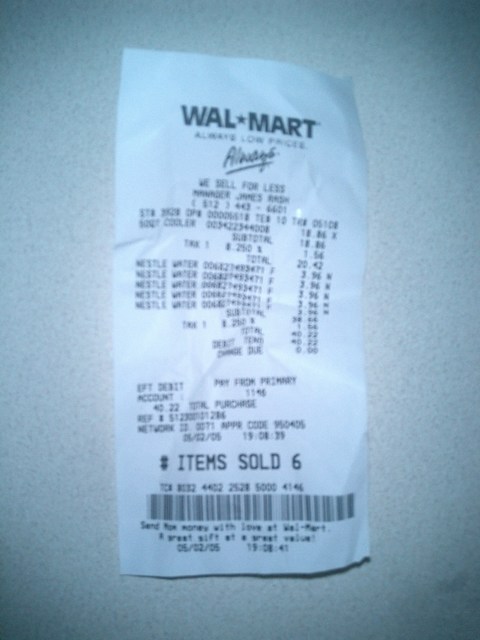

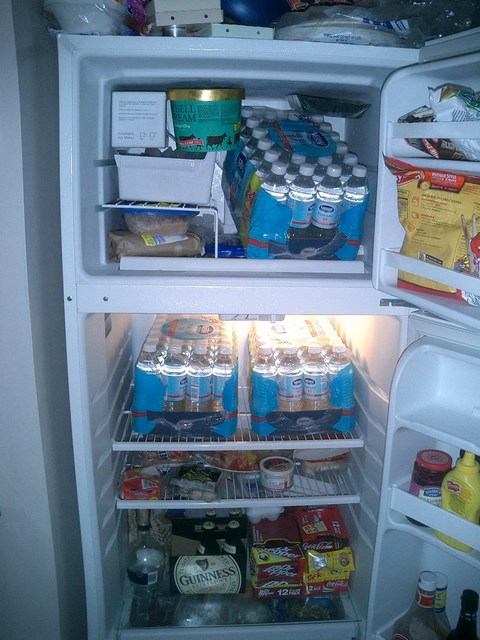

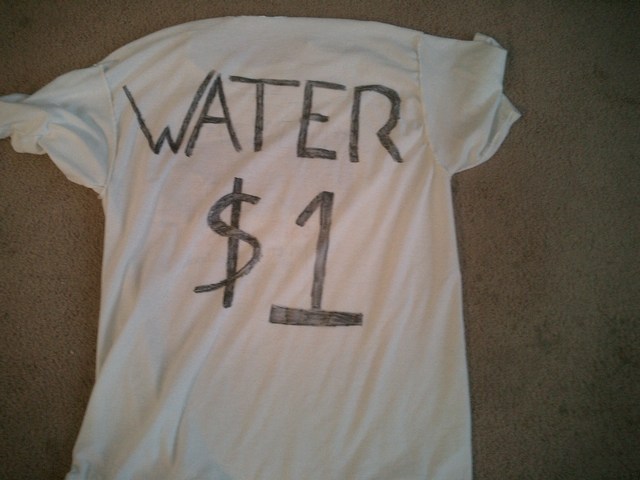
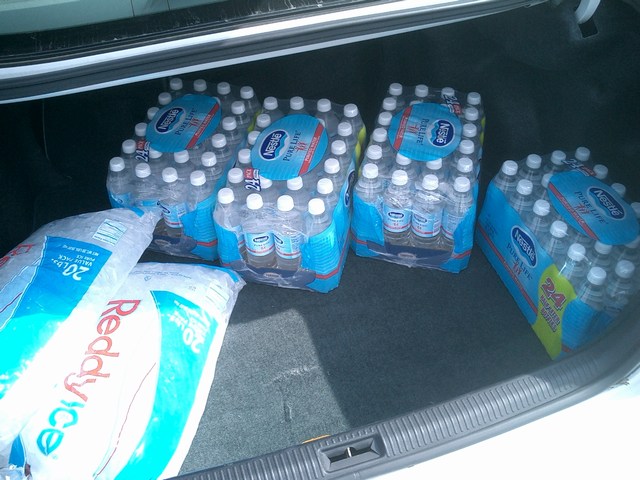

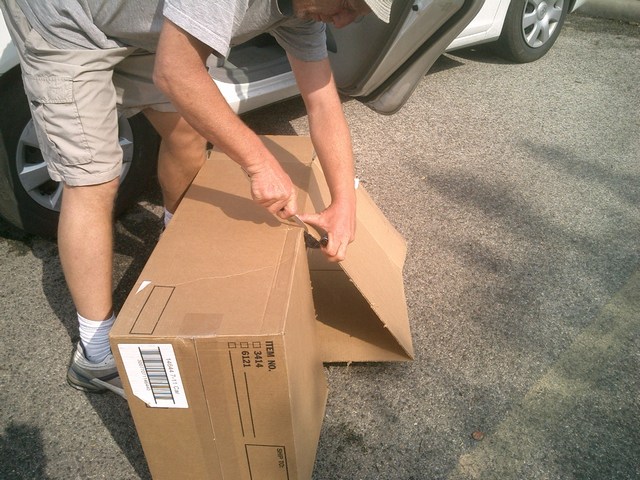


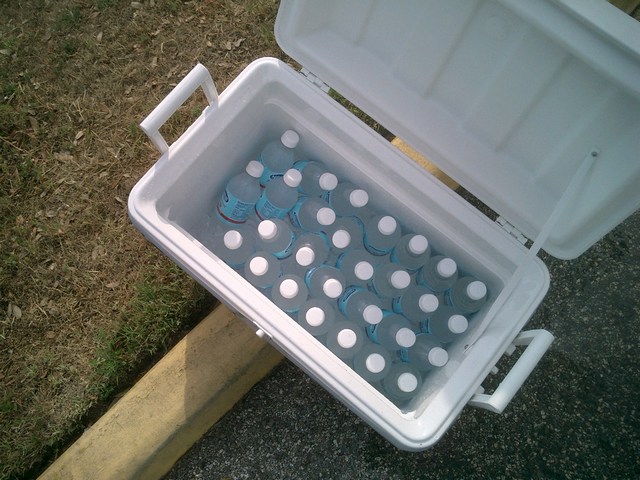

 Few points of interest: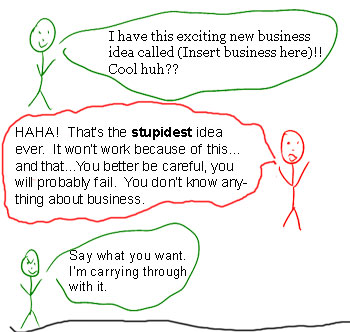
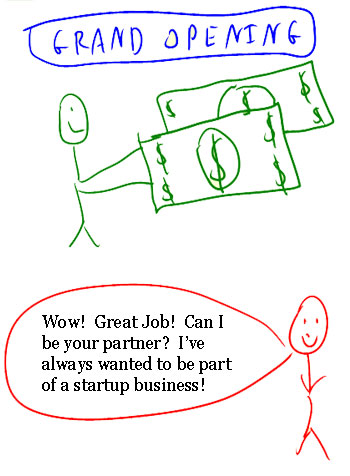
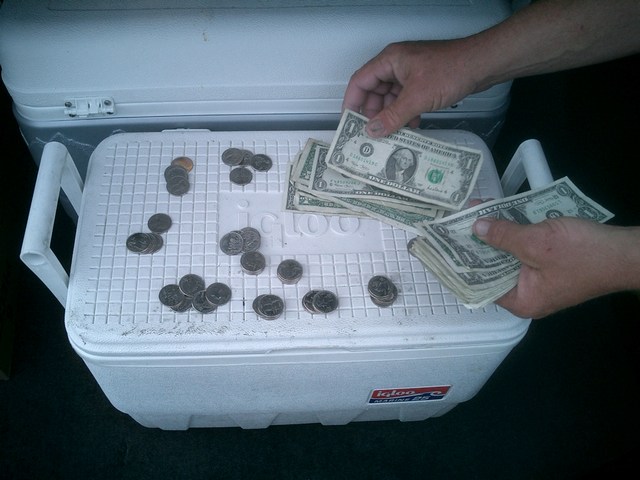
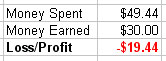
 Starting a side income is not hard as most people think. Take for example the “business” I thought of, then created in 15 minutes: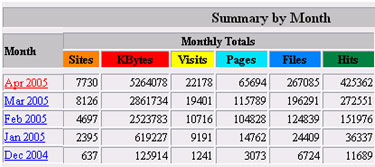
 Ahh, the famous piggy bank. Call it a piggy bank, money box, change jar….whatever. The point is to put spare change from time to into this container for savings.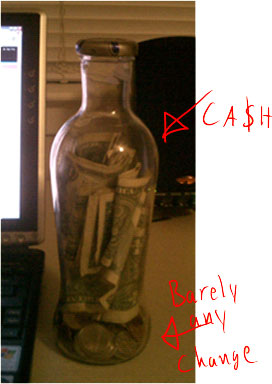
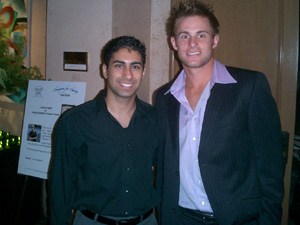
 I’m attending a Texas Entrepreneurs event this Tuesday when I get an offer I COULD NOT refuse…hob-nobbing with the WEALTHIEST people all over Austin…





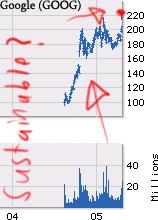
 I love google and everything they do. Google.com is my homepage and I use just about every feature on the Google Toolbar (which is the BEST software product in the WORLD….in my opinion).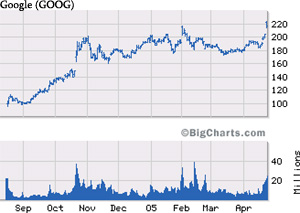
 After talking to a couple wannabe entrepreneurs last week, I noticed some extremely strong misconceptions about starting new businesses and entrepreneurship in general.